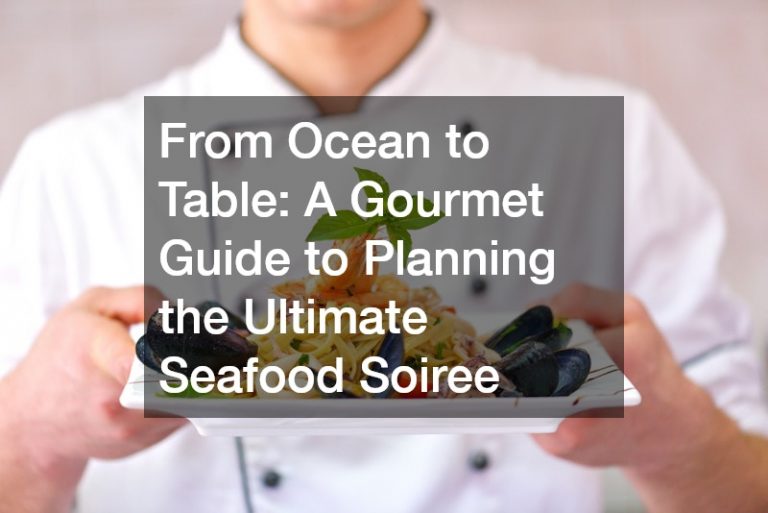
The allure of the ocean has always held a certain mystique for the epicurean soul. There is something fundamentally grounding about a meal that comes directly from the tides, prepared with a level of care that respects the delicate nature of the ingredients. Planning a high-end seafood soiree is not just about the food, however. It is about crafting an atmosphere that feels as fluid and refreshing as the coast itself. For those who wish to host an unforgettable evening, the journey from the water to the dinner plate requires meticulous planning, a keen eye for quality, and a strategy for managing the many moving parts of a luxury event. This guide explores the nuances of hosting a “From Ocean to Table” event that will leave guests talking for years to come.
Choosing the Perfect Setting for Your Soiree
When one thinks of hosting a major milestone, the first thought is often to browse for a commercial venue or a local birthday party place to handle the crowd. While these venues offer convenience, they often lack the personal touch required for a truly bespoke seafood experience. Hosting at a private residence or a rented coastal villa allows for a level of customization that a public venue simply cannot match. It gives the host total control over the lighting, the scent of the air, and, most importantly, the timing of the service. A seafood dinner is highly time-sensitive; a scallop overcooked by thirty seconds or an oyster opened too early can change the entire profile of the meal. By choosing a private setting, the host ensures that the kitchen remains the heart of the event, allowing the “Ocean to Table” philosophy to shine through without the constraints of a third-party catering hall.
Sourcing from the Source
The foundation of any gourmet seafood meal is, unsurprisingly, the quality of the catch. One cannot rely on standard grocery store aisles when the goal is excellence. Instead, a dedicated host will spend time establishing a relationship with a reputable seafood market known for its daily arrivals. The difference between a fish that has been sitting on ice for three days and one that was pulled from a net that morning is astronomical. When visiting the market, one should look for clear eyes in whole fish, a briny scent that reminds one of a fresh sea breeze, and firm flesh that springs back when touched. For a soiree, consider a mix of textures: the buttery softness of Alaskan king crab, the snap of wild-caught prawns, and the silky finish of high-grade tuna. Sourcing locally whenever possible not only supports the community but also ensures that the environmental footprint of the party remains as light as sea foam.
Culinary Inspiration and Plating Aesthetics
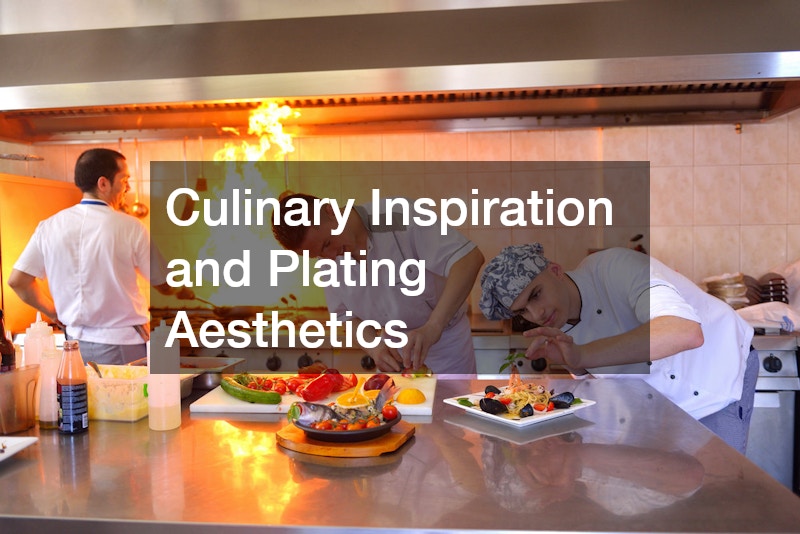
Even the most seasoned home cook can benefit from a little professional inspiration. Before finalizing the menu, it is often helpful to spend an evening at a renowned seafood restaurant to observe current trends in plating and flavor pairings. Notice how professional chefs balance the saltiness of the sea with acidic elements like yuzu, preserved lemon, or a crisp mignonette. For a home soiree, the presentation should be elegant but not overly fussy. Consider using large blocks of Himalayan salt as serving platters for sashimi or hollowed-out seashells for small portions of ceviche. The goal is to remind the guests of the water at every turn. Using natural elements like driftwood and polished sea glass on the table can bridge the gap between the raw beauty of the ocean and the refined nature of a gourmet dinner.
Maintaining the Energy of the Host
The logistical demands of a multi-course dinner can be draining, and a tired host is rarely a good one. It is a common mistake to spend the entire day of the party standing in the kitchen, nibbling on scraps while preparing for the guests. To avoid burnout, the host should step away from the prep station for a proper lunch at midday. This break serves a dual purpose: it provides the necessary fuel to get through the evening and offers a mental reset. A light, protein-rich meal away from the kitchen smells can sharpen the senses, making it easier to detect the subtle seasoning needs of the evening’s main dishes. A well-rested host is more attentive, more engaging, and better equipped to handle any minor kitchen “emergencies” that might arise as the first course is being served.
The Importance of Personal Presentation
In the world of high-end hosting, the host is essentially the “Director of Atmosphere.” While the food is the star of the show, the way the host carries themselves sets the tone for the entire evening. It is worthwhile to schedule an appointment at a professional salon on the morning of the event. Whether it is a fresh trim, a professional blowout, or simply a well-executed manicure, these small details contribute to a sense of “quiet luxury.” When the host looks polished and put-together, it signals to the guests that the evening is a special occasion worthy of their time and attention. It also boosts the host’s confidence, allowing them to move through the room with grace while carrying trays of hors d’oeuvres or pouring expensive champagne.
Managing the Domestic Environment

Large gatherings can be stressful for the four-legged members of the household. Between the increased foot traffic, the tantalizing smells of butter-poached lobster, and the loud laughter of guests, even the most well-behaved pet might feel overwhelmed. To ensure the safety of the animals and the comfort of the guests, many hosts choose to utilize a high-quality doggie daycare for the duration of the event. This allows the pets to burn off energy in a social environment while the host focuses entirely on the party. There is no worry about a dog slipping out the front door as guests arrive or a cat jumping onto the table to investigate the shrimp cocktail. Once the party has concluded and the house is quiet again, the pet can return home to a relaxed environment.
Physical Wellness and Stress Management
Hosting a gourmet event is a physical marathon. From lifting heavy crates of ice to spending hours on one’s feet dicing aromatics, the toll on the body is significant. A wise host incorporates a visit to a professional massage place into their pre-event schedule, perhaps a day or two before the soiree. Relaxing the muscles of the back and shoulders can prevent the physical fatigue that often leads to mistakes in the kitchen. A deep-tissue session or a Swedish massage can also lower cortisol levels, ensuring that the host remains calm and collected even when the timing of the souffles feels a bit tight. This proactive approach to physical wellness ensures that the host can enjoy their own party rather than just surviving it.
Thematic Inspiration from Global Travels
The best “Ocean to Table” events often draw inspiration from the host’s personal experiences with the sea. Those who spend their winters on diving vacations often have a deeper appreciation for the biodiversity of the ocean, which can be reflected in their menu choices. Perhaps a specific trip to the Caribbean inspired a spicy conch salad, or a journey to the Mediterranean led to a passion for grilled octopus with smoked paprika. Sharing these stories with guests adds a layer of narrative depth to the meal. It transforms a simple dinner into a curated journey through the host’s memories. Table talk naturally flows when there is a story behind the ingredients, turning a meal into a shared adventure.
Ensuring Security and Peace of Mind

For those who host events at secondary properties or vacation homes, logistics can become even more complex. If the host is traveling to a coastal location specifically to hold the soiree, they may need to hire professional house sitters to manage their primary residence while they are away. This allows the host to focus entirely on the event without worrying about mail piling up or home security at their main base. Additionally, on the night of a large party, having extra hands on deck to manage the perimeter or assist with guest arrivals can be a huge relief. Peace of mind is the ultimate luxury, and knowing that every aspect of one’s life is being looked after allows for total immersion in the hosting experience.
The Art of the Recovery
Once the final glass of dessert wine has been polished and the last guest has departed, the host is often left in a state of blissful exhaustion. The cleanup of a seafood party is particularly demanding, as shells and scraps must be disposed of immediately to prevent lingering odors. After the heavy lifting is done, the most successful hosts prioritize their own recovery. Booking a day at one of the local spas is the perfect way to transition back into a normal routine. Steam rooms can help clear the skin after hours spent over a hot stove, and hydrotherapy pools can soothe tired joints. This final step completes the cycle of the soiree, ensuring that the host remembers the evening not for the hard work it required, but for the joy and connection it created.
Crafting the Menu: A Closer Look at Pairings
The transition from appetizers to the main course is where the “Ocean to Table” theme truly comes alive. For the opening act, consider something light and effervescent. Raw oysters on the half-shell paired with a bone-dry Muscadet are a classic for a reason. The acidity of the wine cuts through the brininess of the oyster, preparing the palate for what is to come. As the meal progresses into heavier territory, such as a rich bouillabaisse or sea bass en croute, the wine should follow suit. A lightly oaked Chardonnay or a vintage Chenin Blanc can stand up to the richness of butter and cream without masking the delicate flavor of the fish.
Atmosphere and Environmental Design

The sensory experience of a seafood soiree extends beyond the taste buds. The “feel” of the room is dictated by the textures and colors chosen for the decor. To keep the focus on the freshness of the ocean, stick to a palette of blues, greens, and sandy neutrals. High-quality linen napkins in a sea-foam green or a navy blue tablecloth provide a sophisticated backdrop for white porcelain plates. Lighting should be soft and reminiscent of a sunset; use plenty of candles of varying heights to create a warm, flickering glow that mimics the way light dances on the surface of the water. Avoid scented candles, as they can interfere with the delicate aroma of the seafood. Instead, let the natural scents of fresh lemon and sea salt fill the air.
The Final Pour and Lasting Memories
As the evening winds down, the focus often shifts to coffee and light desserts. A lemon tart or a simple plate of artisanal chocolates provides a sweet conclusion to a savory-dominated meal. It is during this time that the host can truly sit back and observe the success of their planning. The laughter of friends, the clink of silverware, and the satisfied sighs of well-fed guests are the true markers of a successful “From Ocean to Table” event. Hosting is an act of generosity, a way to share one’s passion for the sea with those who matter most.
By integrating professional services—from sourcing at the right market to ensuring personal and pet wellness—the host removes the friction points that often make large dinners feel like a chore. The result is a seamless, professional-grade experience that honors the bounty of the ocean. In a world that often moves too fast, taking the time to slow down and enjoy a gourmet meal with loved ones is a profound pleasure. Whether it is a celebration of a life milestone or simply a tribute to the season’s best catch, a well-planned seafood soiree is a testament to the art of fine living.
The journey from the deep blue waters to the center of the dining table is a long one, filled with careful choices and expert hands. When a host takes the time to respect that journey, the results are always spectacular. From the first bite of a perfectly chilled shrimp to the final sip of a crisp white wine, every moment of the evening should be a celebration of the sea. By following this gourmet guide, any host can transform a simple dinner into a coastal masterpiece, creating memories that linger long after the tides have turned and the guests have gone home to their own quiet nights.